From drawing pixels
to imagining worlds.
At first, the goal was a smoother game. Then the graphics card learned new jobs: geometry, programmable shading, light simulation—and eventually neural networks.
A guided journey through 14 turning points. Scroll to meet a different card at every chapter. This is a selection of milestones, not a list of every launch or the full history of graphics hardware.
Begin the story ↓The screen starts to feel like a world.
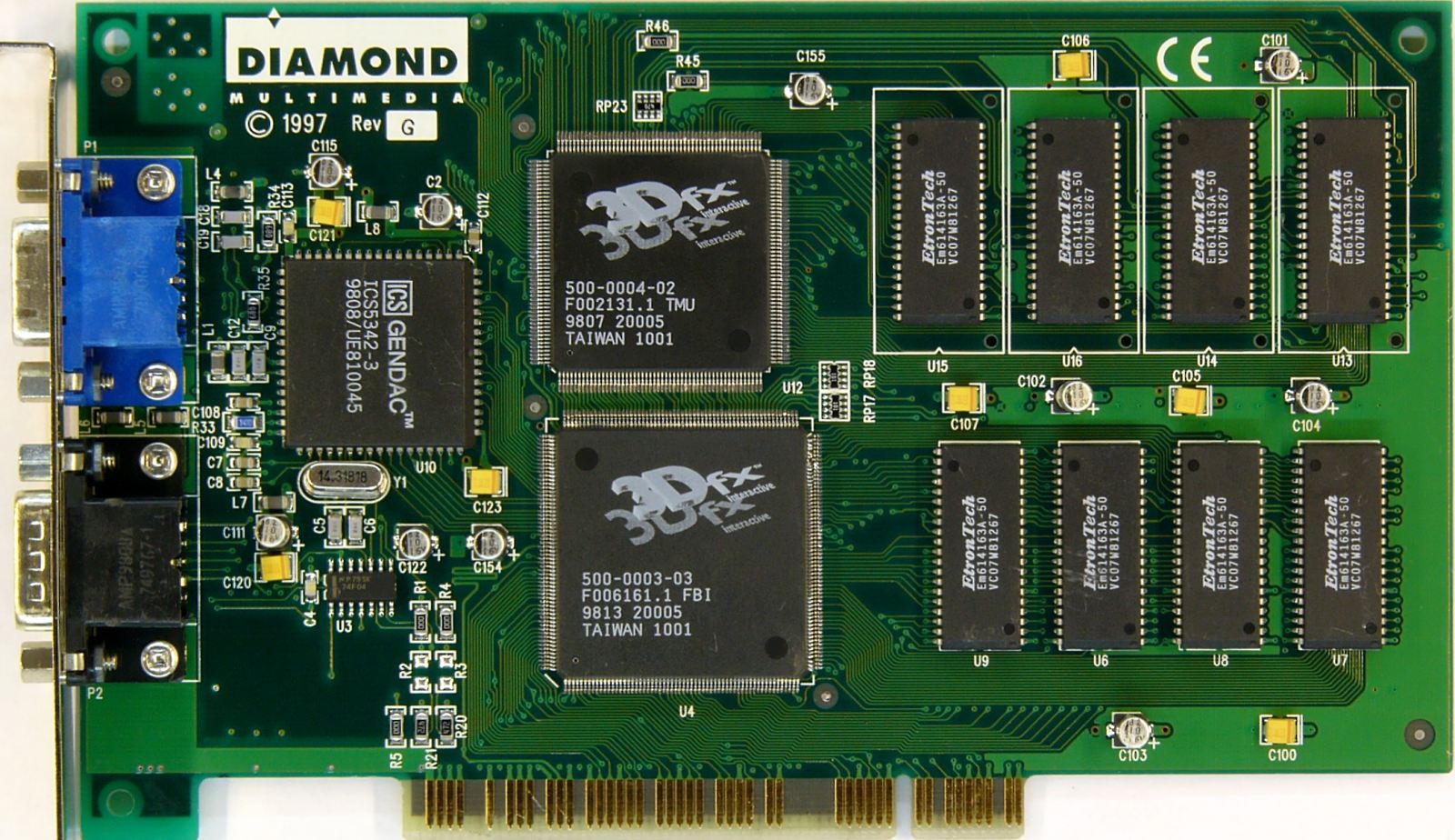
Before photorealistic lighting or AI upscaling, the first thrill was simpler: a 3D scene that moved smoothly. Voodoo Graphics helped turn dedicated 3D acceleration into something PC players actively sought out. The Diamond Monster 3D shown here is one board built around that chipset.
This was a 3D accelerator used alongside a separate 2D graphics card. Texture mapping and other rendering work moved to dedicated hardware. The PC was beginning to grow a second engine—one built specifically to draw.
More of the scene moves off the CPU.
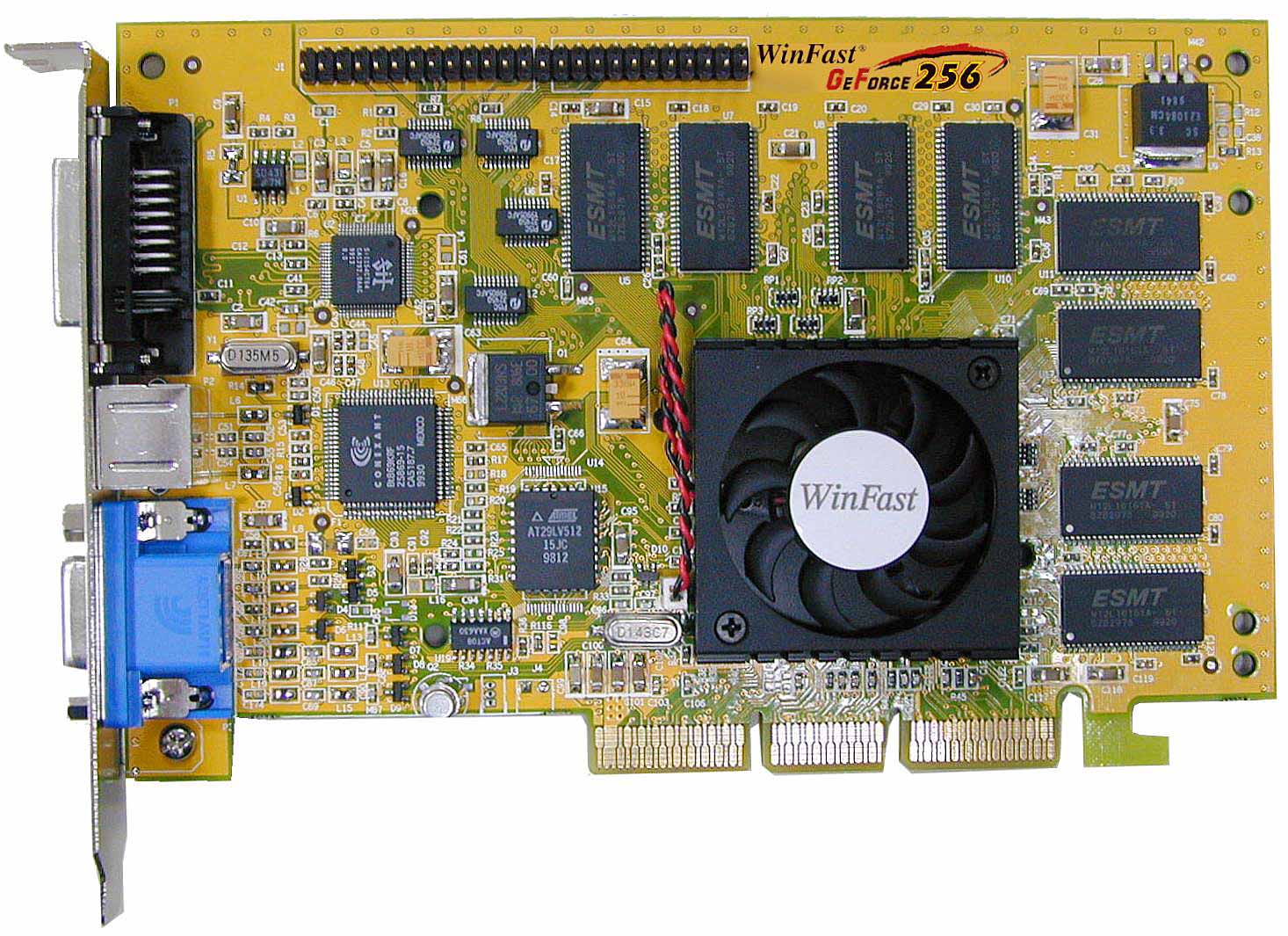
A few years later, NVIDIA’s GeForce 256 put transformation and lighting into the graphics processor. Geometry no longer depended on the CPU for all of that work. The board pictured is a Leadtek WinFast implementation, a reminder that one chip could appear in many different cards.
NVIDIA marketed it as the first “GPU,” using a particular definition of an integrated graphics pipeline. Graphics hardware existed long before it. The important turn in this story is the growing amount of scene processing handled on the card itself.
The graphics card becomes more programmable.
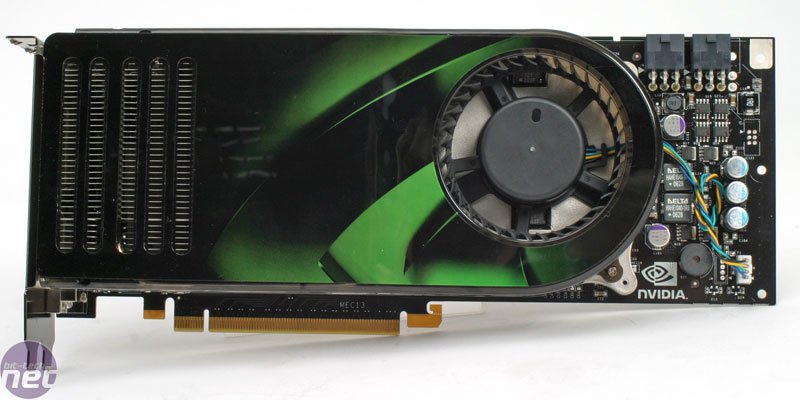
By the mid-2000s, shaders let developers write programs that shaped a game’s appearance. The GeForce 8800 GTX took the next architectural step: a unified pool of processors could work on different kinds of shading, instead of keeping rigidly separate vertex and pixel hardware.
The G80 generation brought DirectX 10 support and became part of the foundation for CUDA computing. The same parallel engine that helped draw a game could also be asked to work on other numerical problems. The connection between graphics and general-purpose computing was becoming hard to ignore.
Performance becomes something the card can manage.
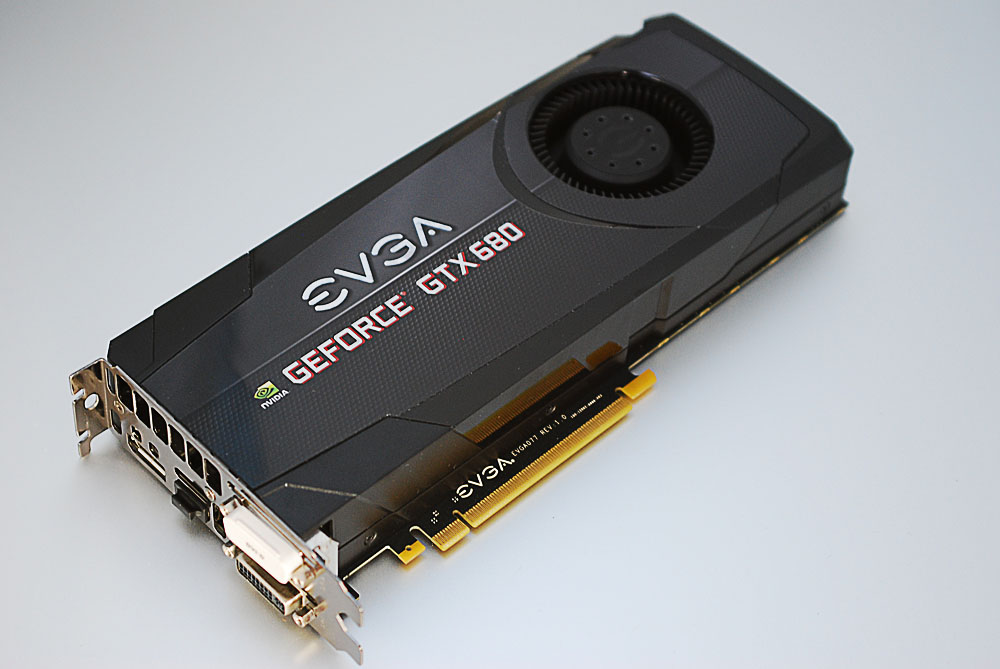
The GTX 680 arrived with GPU Boost: clocks could rise dynamically within the card’s operating limits. Adaptive VSync offered another way to balance smoothness and tearing. Faster gaming was no longer only a matter of printing a higher fixed clock on a box.
Across the aisle, AMD’s Radeon HD 7970 had brought Graphics Core Next and 28 nm manufacturing to its flagship lineup, reaching retailers in January 2012. Both sides were pushing hardware toward more flexible compute and better use of available power, even as their architectures took different paths.
Better images do not have to mean brute force.
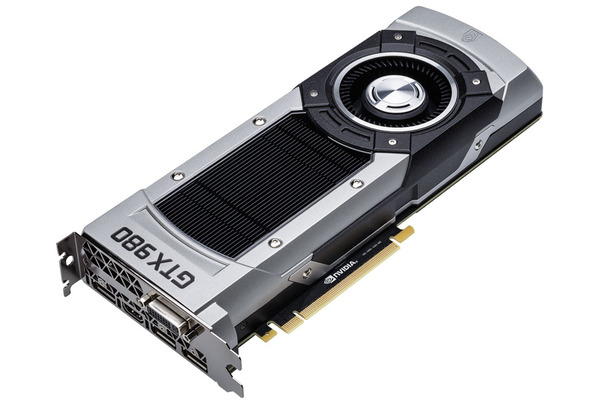
Maxwell’s high-end arrival emphasized how efficiently a GPU could turn power into useful graphics work. The GTX 980 also put image-quality techniques in the spotlight: Dynamic Super Resolution rendered above the display’s resolution and reduced the result, while MFAA used changing sample patterns to improve edge smoothing.
These were different ideas from today’s neural upscaling. DSR began with a higher-resolution image, rather than reconstructing a higher-resolution output from fewer rendered pixels. The goal was familiar, though: spend the GPU’s time where viewers would notice it.
The VR and high-resolution era gathers speed.
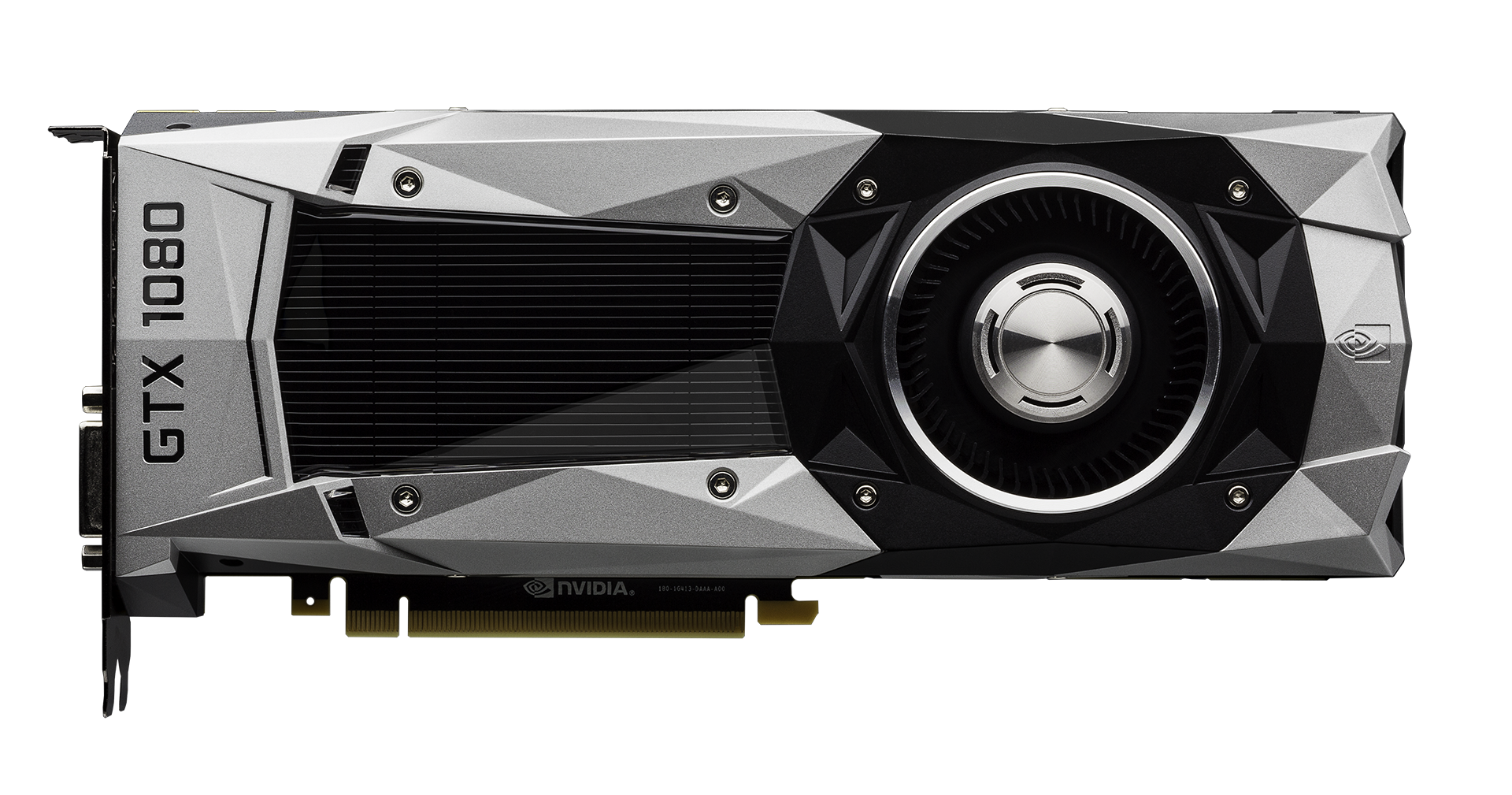
Pascal’s GTX 1080 combined a 16 nm FinFET process with 8 GB of GDDR5X memory. The angular Founders Edition shroud became a visual signature of the era. Underneath it, the priorities were still recognizable: move more data, do more parallel work and keep the card inside its power envelope.
VRWorks addressed the demands of virtual reality, while Ansel expanded the idea of the in-game photograph. A graphics card was increasingly a tool for capturing and creating experiences, as well as playing them. Dedicated consumer ray-tracing cores were still ahead.
The RTX era begins.
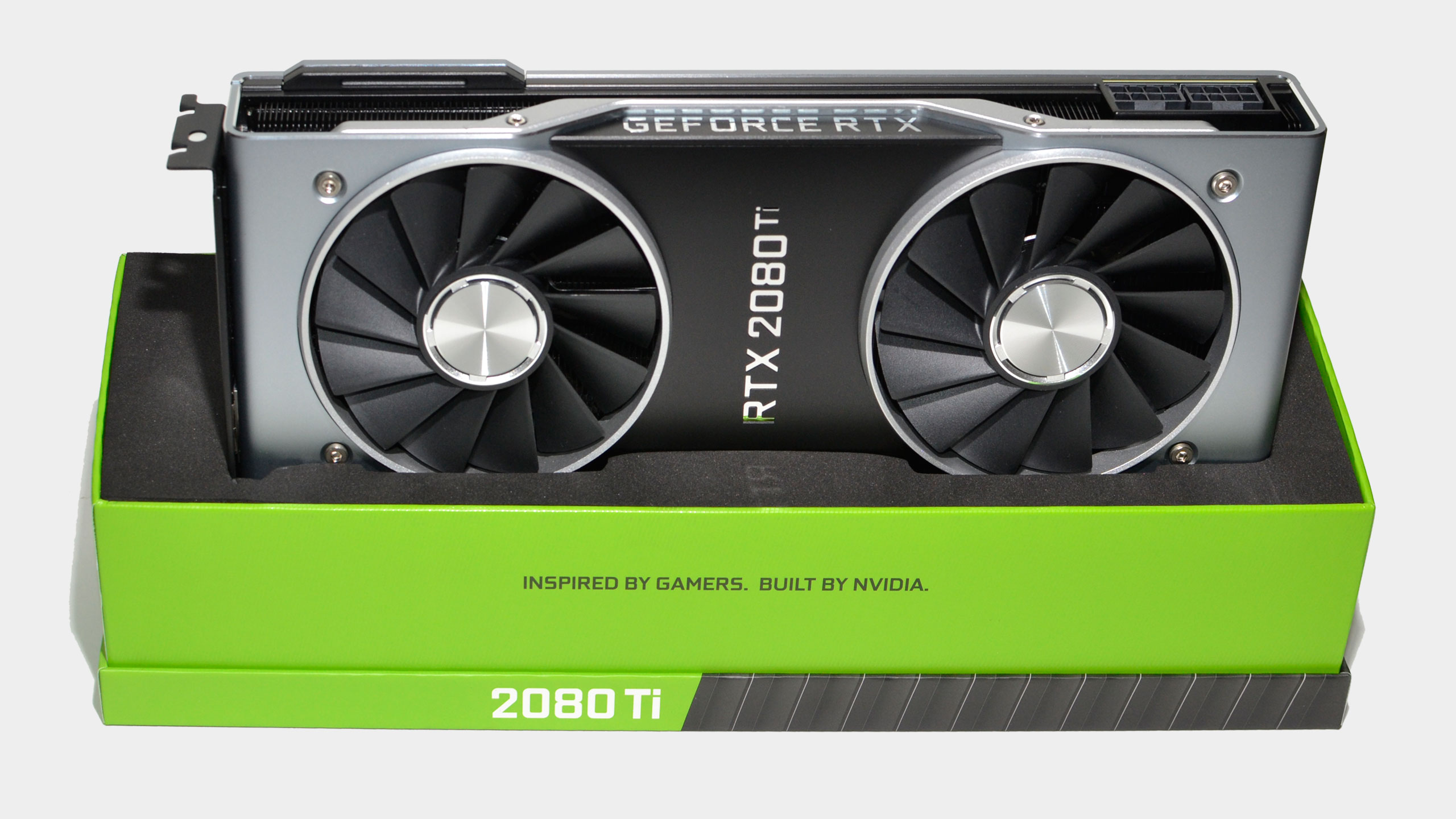
For years, games had built convincing lighting with carefully designed approximations. Turing added dedicated RT cores to accelerate ray-tracing work, alongside Tensor cores for neural-network operations. With the RTX 2080 Ti, NVIDIA put both kinds of hardware into a consumer gaming flagship.
This was hybrid rendering, not a switch that made every game fully path traced overnight. Games still needed integration, and ray tracing carried a performance cost. AI-assisted reconstruction offered another route forward: use learned information to help recover an image instead of rendering every output pixel the same way.
A new foundation for gaming.
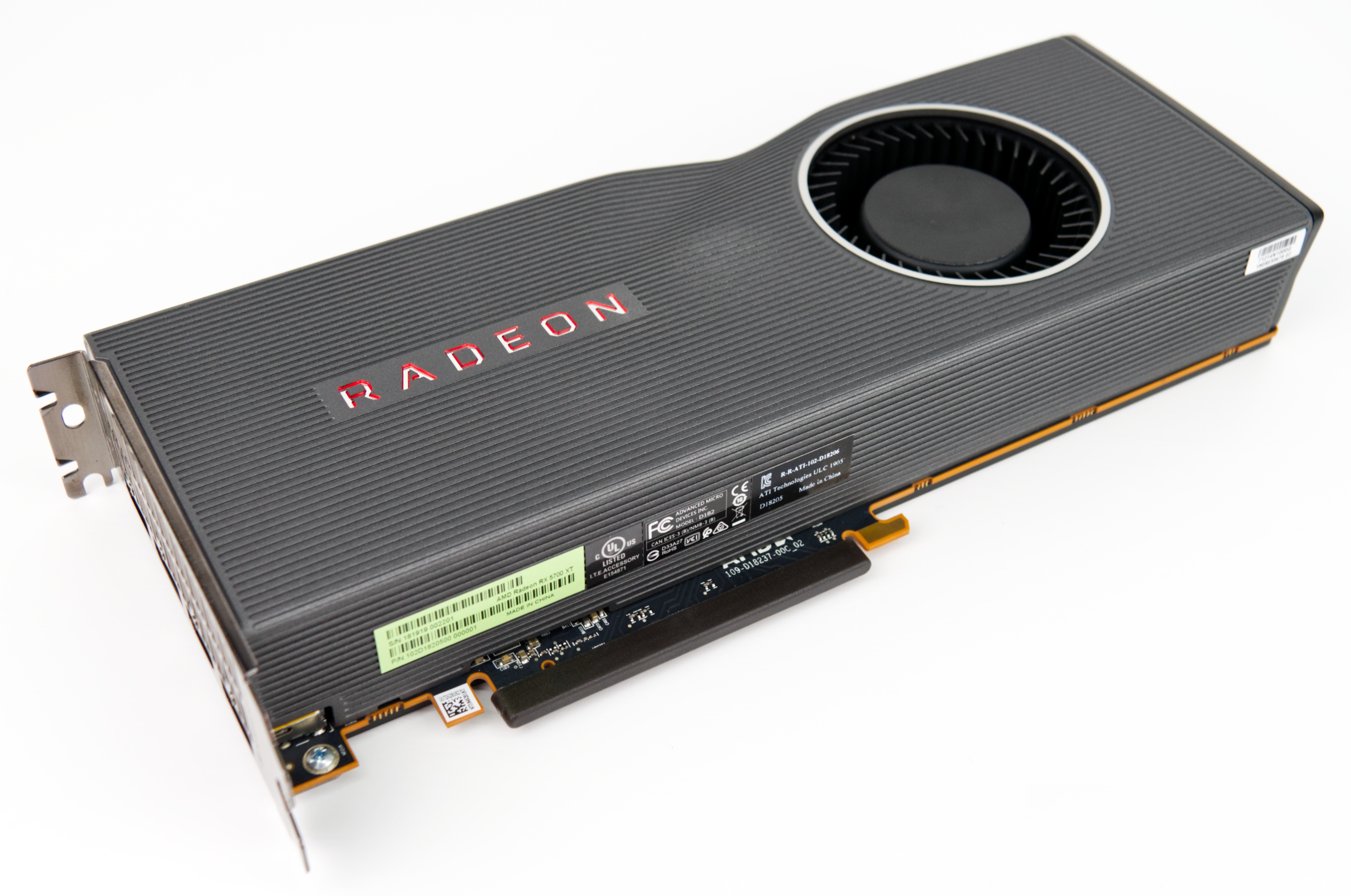
AMD’s RX 5700 XT marked the start of RDNA in desktop Radeon graphics. The architecture was designed around gaming efficiency and scalability. A 7 nm process, GDDR6 and PCIe 4.0 were part of the package, but the bigger change was the underlying foundation.
The reference card’s distinctive blower shroud made this generation easy to spot. Its place in the story is also a useful caution: a new architecture does not arrive with every feature of the next one. First-generation RDNA was followed by RDNA 2’s dedicated ray accelerators, rather than already containing them.
A gaming flagship with room for more.
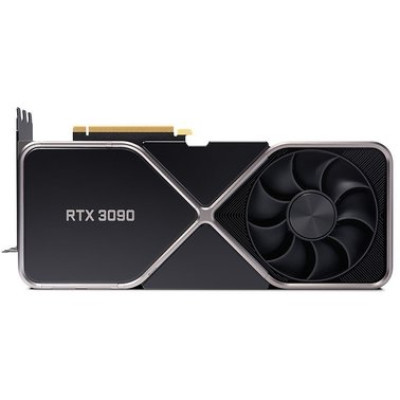
The RTX 3090 arrived with 24 GB of GDDR6X. That capacity was significant beyond high-resolution games: creators and researchers could work with larger data on a consumer card. In the local-AI era that followed, memory capacity would become one of the first numbers enthusiasts looked for.
Ampere also advanced NVIDIA’s RT and Tensor hardware. The striking flow-through cooler hinted at the physical side of progress: substantial performance needed substantial heat removal. The lesson for a buyer is still relevant—compute, memory, cooling and power are a system, not independent numbers.
A cache changes the memory conversation.
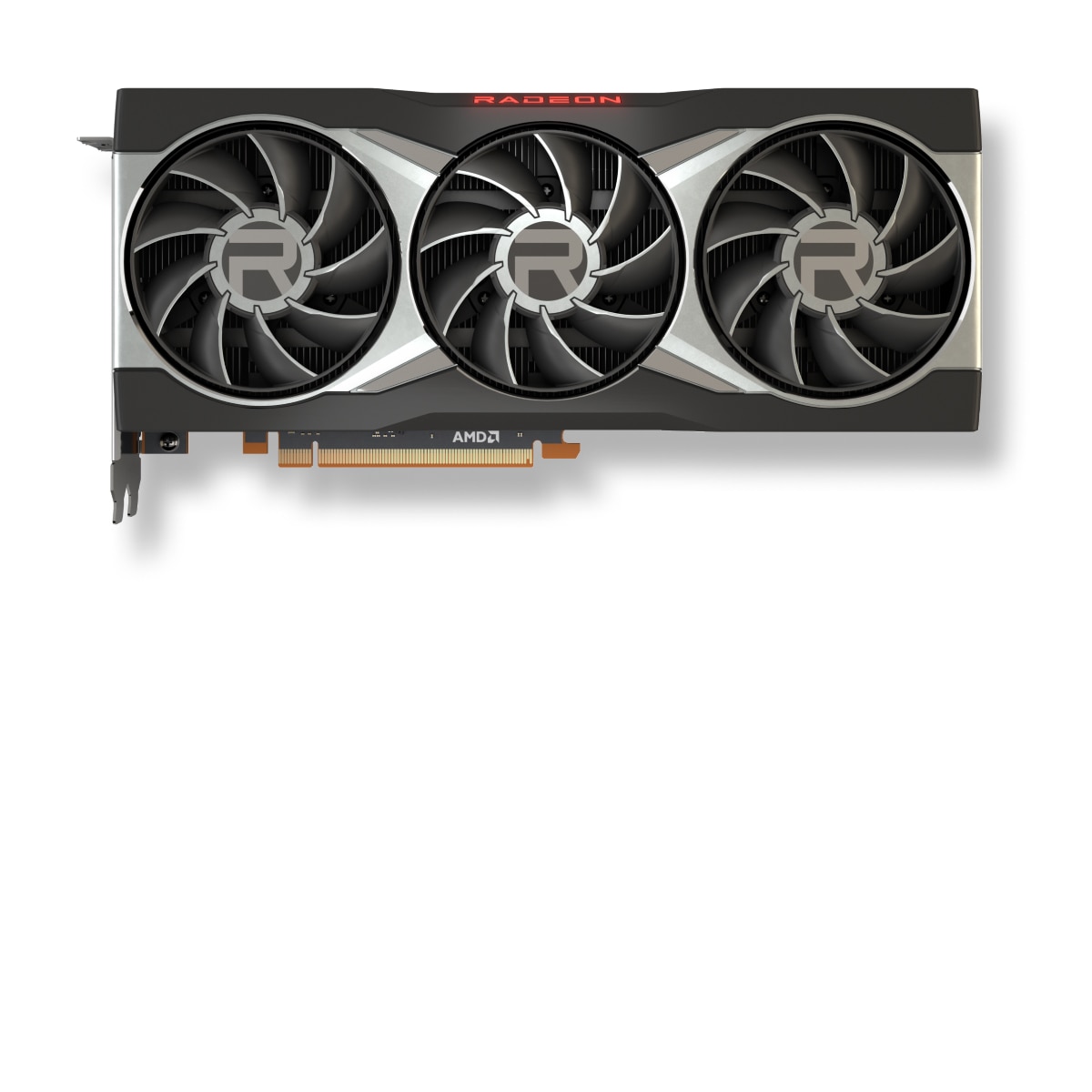
With RDNA 2, the RX 6800 XT brought dedicated ray accelerators to desktop Radeon. Its 16 GB of GDDR6 was paired with 128 MB of Infinity Cache, a large on-chip cache intended to reduce trips to external memory. More bandwidth was not the only way to feed the processors.
The triple-fan reference design looked very different from the previous blower. For this generation, high-end raster performance, new ray-tracing capability and the memory hierarchy were all part of the story. Features could now look similar on a checklist while behaving differently across architectures and games.
The desktop conversation gets another voice.
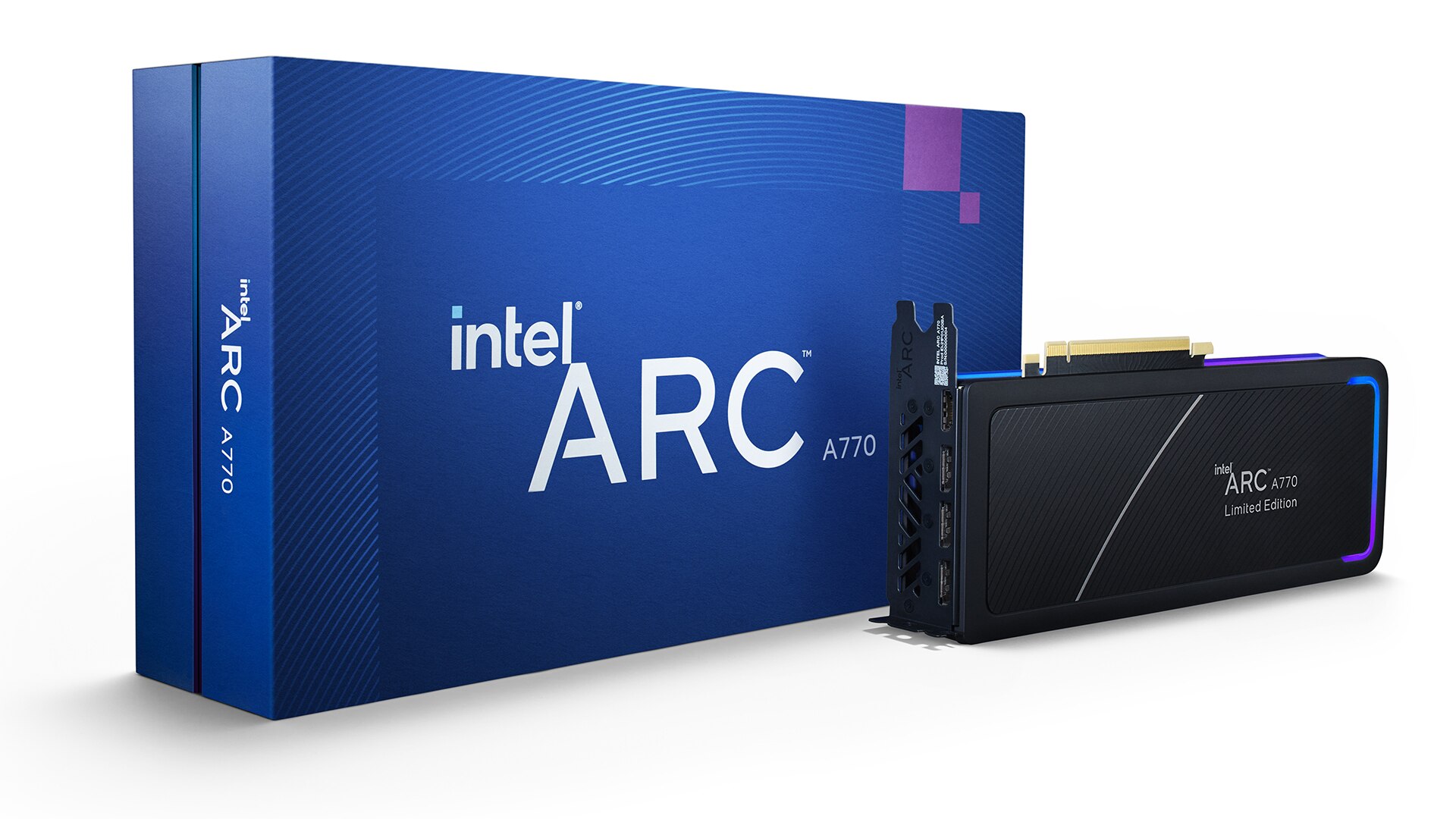
Intel’s Arc A770 and A750 reached select markets on October 12, 2022. Alchemist brought Intel’s XMX matrix hardware, ray-tracing support and XeSS to discrete gaming cards. Hardware AV1 encoding also gave creators and streamers another reason to pay attention.
The A770 Limited Edition shown here came with 16 GB of memory. Its arrival did not make drivers or game compatibility irrelevant; those were part of the experience too. A GPU is the combination of silicon and the software that knows how to use it—a theme that matters just as much for local AI.
The displayed frame count gets more complicated.
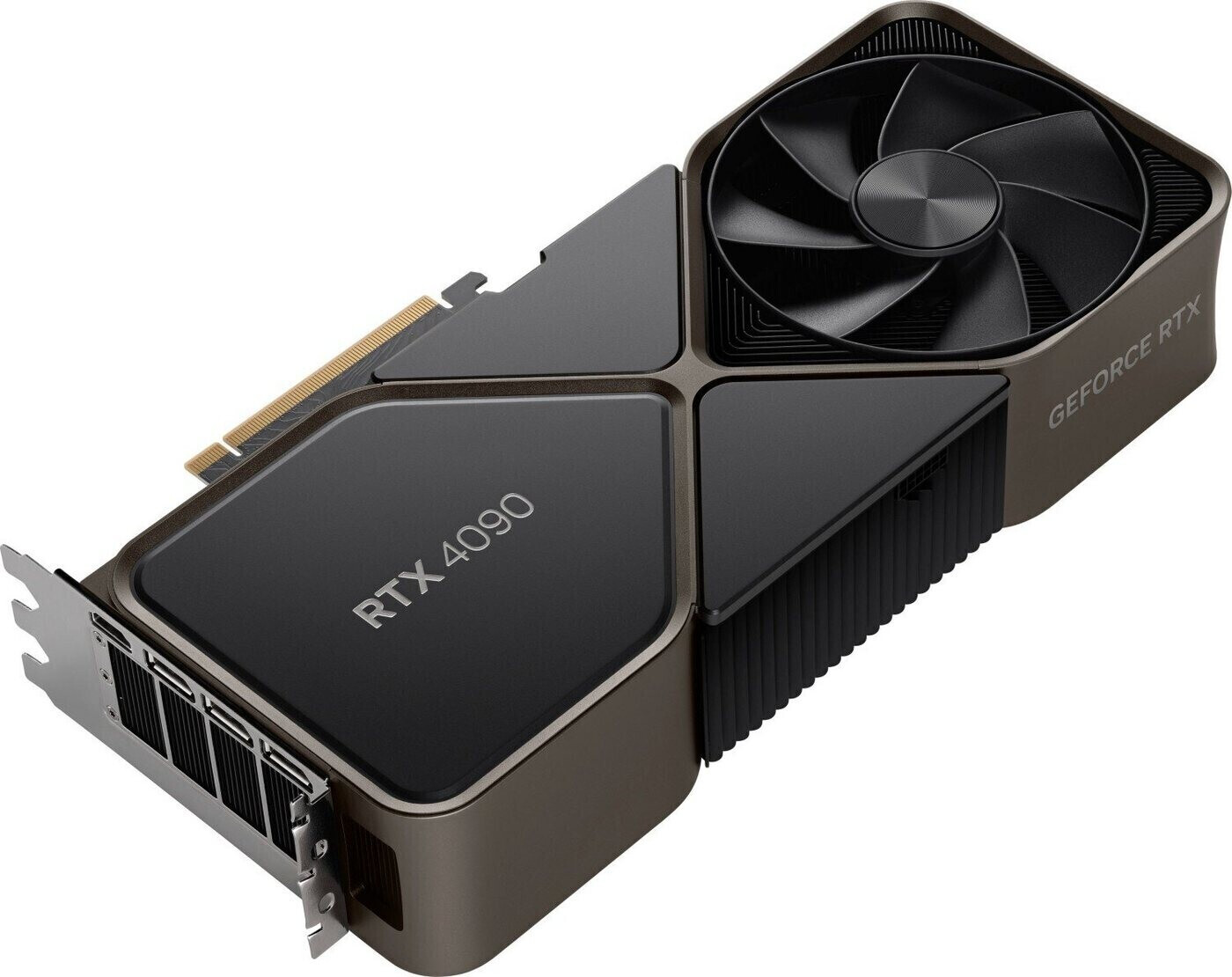
Ada Lovelace’s RTX 4090 introduced another shift in how a game image reached your screen. DLSS 3 added frame generation on RTX 40-series hardware: AI could create intermediate frames rather than asking the game engine to render every displayed frame from scratch.
The difference matters. Generated frames can improve perceived smoothness, but they are not identical to a higher rate of native game simulation or input updates. The RTX 4090 also retained 24 GB of memory, making it a powerful crossover for gaming, creative work and supported local-AI applications.
Rendering and inference begin to share a stage.
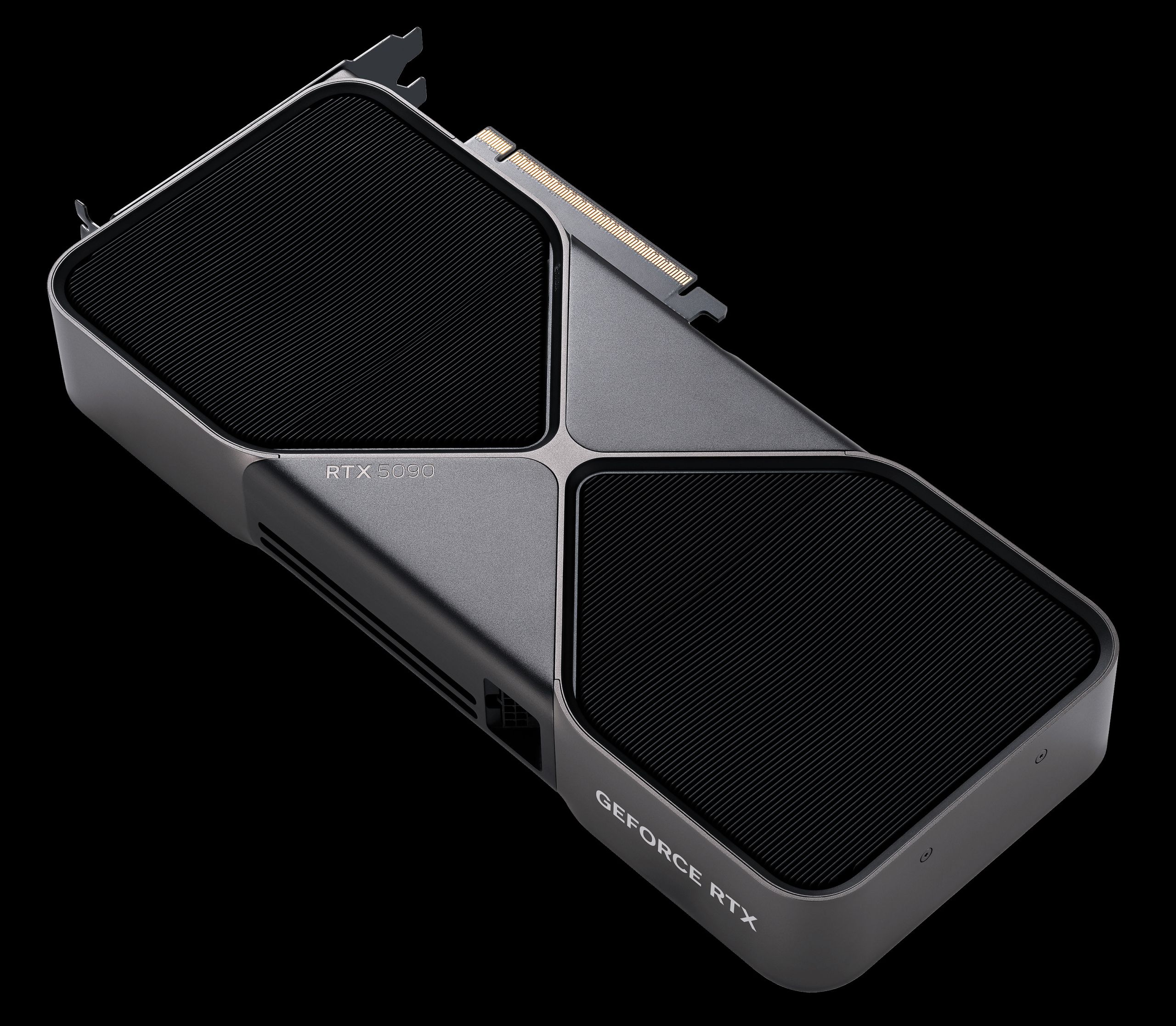
The RTX 5090 brought 32 GB of GDDR7 to the top of the consumer GeForce lineup. Blackwell paired new RT and Tensor hardware with a growing focus on neural rendering. At the 2025 launch, DLSS 4 introduced Multi Frame Generation, capable of creating several intermediate frames per rendered frame.
The important distinction survives: native rendering, reconstruction and generated frames are different kinds of work. Outside games, that same GPU’s memory and supported low-precision math can serve local inference. The best choice still depends on the model, runtime, power budget and what actually fits.
The story is no longer just about drawing more pixels.
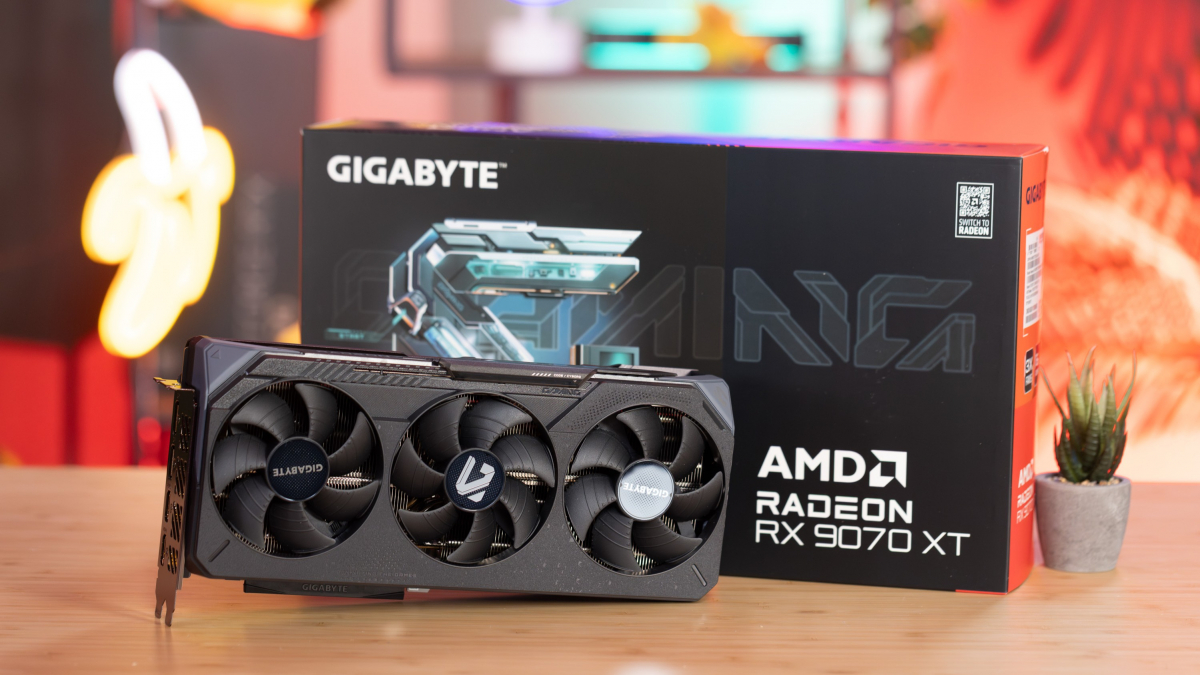
RDNA 4’s RX 9070 XT pushed AMD’s ray-tracing and AI-acceleration hardware forward. FSR 4 introduced machine-learning-based upscaling on this generation. The partner card pictured uses Gigabyte’s triple-fan cooler; other boards built around the same GPU can have different dimensions and power behavior.
From texture acceleration to learned reconstruction, the recurring idea is to use specialized hardware and smarter algorithms together. Today, the question is not simply which card has the biggest number. It is which combination of memory, features and software makes your own work or games better.
Different eras.
One enduring question.
What do you want your hardware to make possible? Explore the full archive, compare today’s picks, or learn why memory and math shape local AI.
Dates mark the year or launch period discussed; a feature may have arrived in software later or expanded to other models. Photos show the identified board examples, not every design in a generation. Product images and source material belong to their respective owners. Snapshot checked November 3, 2026.